WELCOME TO @ HBNU

Next-generation Convergence
Security Laboratory

Department of Mobile Convergence Engineering, Hanbat National University

Next-generation Convergence Security Lab (NCSL)

In the 21st century with information and telecommunication more important than ever before, the mobile network field is rapidly developing as the core of the information and telecommunication field. The importance of information security is being more emphasized, as we live in an information society with system development. Information security is a social and national issue rather than personal.

Under these circumstances, we have established Next-generation Convergence Security Laboratory (NCSL). "Next-generation Convergence Security Technology" includes Artificial Intelligence (AI) security, Internet of Things (IoT) security, Vehicle Ad-hoc Network (VANET) security, FinTech security, information security service technology for the mobile Internet, and authentication technology for the various network security systems. These are the core of the next-generation network security technology.

Next-generation Convergence Security Laboratory (NCSL) at Hanbat National University will do its best to improve the information security field in Korea, meet international standards, and enhance its competitive edge in the rapidly changing information and telecommunication society.

Core Research

  • AI Security
  • Post-Quantum Cryptography
  • Blockchain Technology
  • Vehicular Ad-hoc Networks Security
  • Unmanned Vehicle Security
  • Internet of Things Security
  • FinTech Security

Member

Sungjin Yu
Professor
유성진  Sungjin Yu

I received the M.S. degree in electronics engineering and the Ph.D. degree in electronic and electrical engineering from Kyungpook National University, Daegu, South Korea, in 2019 and 2025, respectively. I am currently an assistant professor with Hanbat National University, Daejeon, Republic of Korea. My research interests include AI/ML security, authentication, blockchain, network security, post-quantum cryptography, and information security. Before joining academia, I was a researcher at Electronics and Telecommunications Research Institute, Daejeon, Republic of Korea.

  • HOMEPAGEGoogle Scholar
  • E-MAILsj.yu@hanbat.ac.kr
  • PHONE+82-42-821-1212
  • OFFICERoom 315, N5 Building, Hanbat National University
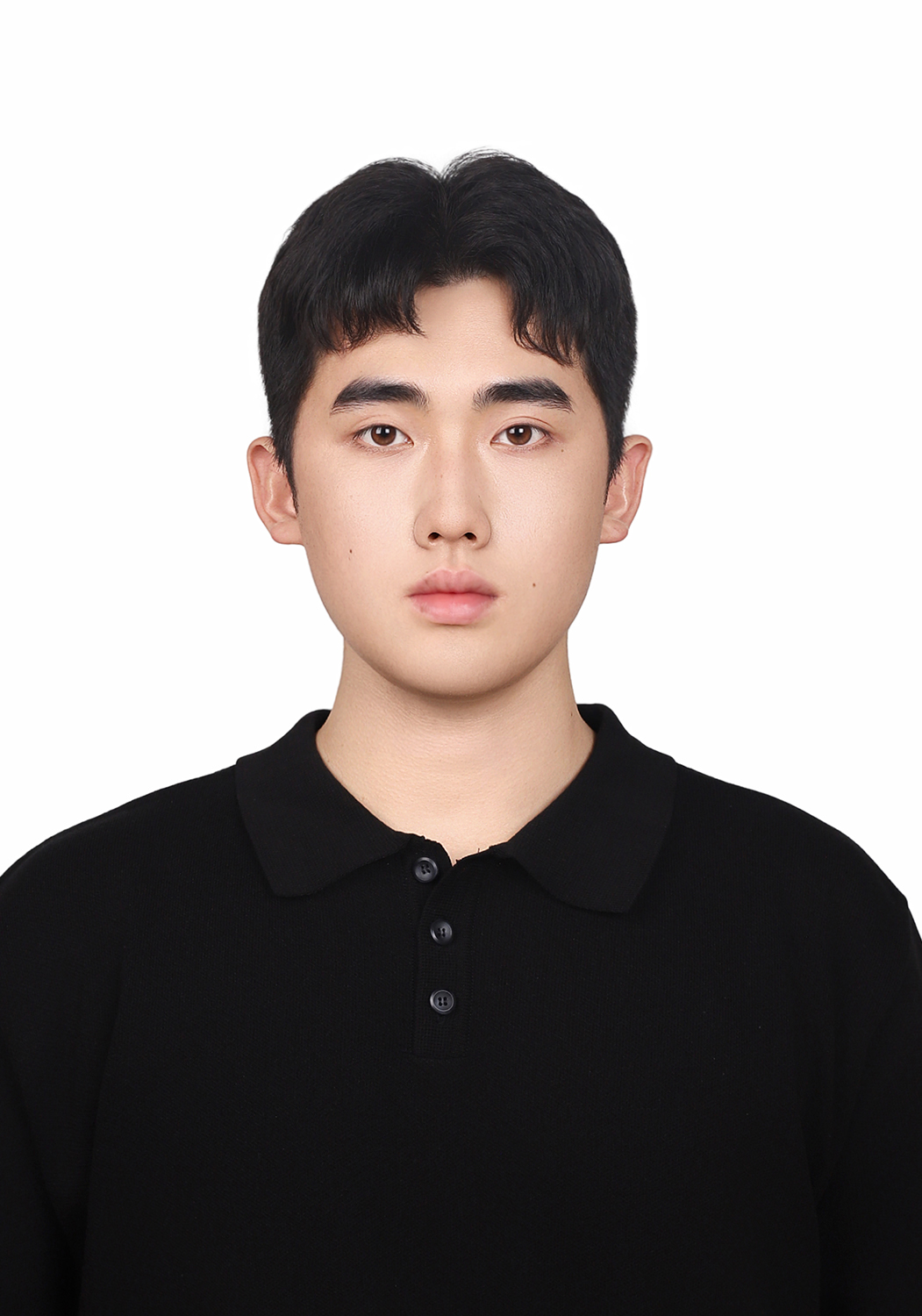
Woohyun Joo

주우현

Woohyun Joo
AuthenticationPQCSystem & Network Security
✉ wndngus38@naver.com
⌂ Room 411, N5 Building
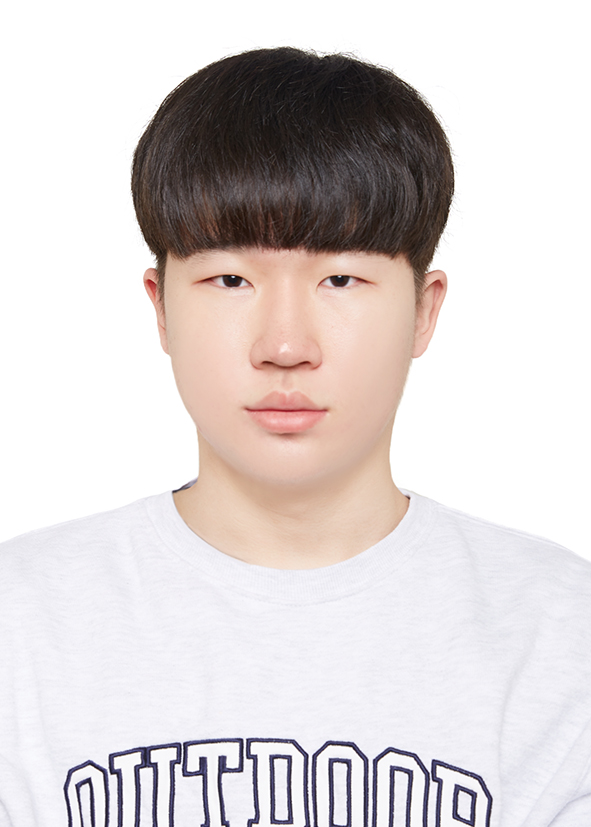
Hyojun Lee

이효준

Hyojun Lee
AuthenticationPQCSystem & Network Security
✉ lhj1298v@naver.com
⌂ Room 411, N5 Building
Youngjun Kim

김영준

Youngjun Kim
AuthenticationSystem & Network SecurityZero-trust
✉ adamkim0709@gmail.com
⌂ Room 411, N5 Building
Minkyu Jang

장민규

Minkyu Jang
AuthenticationSystem & Network SecurityZero-trust
✉ dod1522@naver.com
⌂ Room 411, N5 Building

We are looking for a new member!

My lab is always open to highly motivated, enthusiastic, and proactive graduate/undergraduate students. If you are interested in joining our member, please contact me with your CV or information.

Research

AI Security

AI 보안

Research in Artificial Intelligence (AI) aims to create a system capable of performing tasks that require human-level intelligence. AI learns from data to provide intelligent automation and predictive analysis across various fields. However, AI models can leak sensitive data of users, and can be induced to make wrong predictions by malicious adversaries. We study privacy-preserving model learning techniques, data management, model protection, and mutual authentication for AI systems.
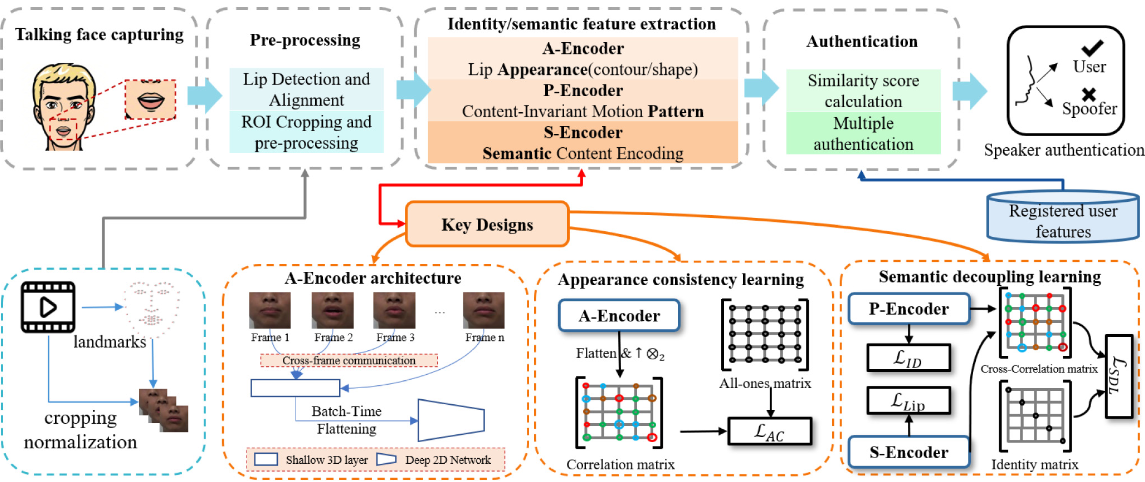
AI Security

Post-Quantum Cryptography

양자내성암호

The quantum computer will break today's public-key cryptosystems such as RSA and ECC using Shor and Grover algorithm. A post-quantum cryptosystem is a secure cryptosystem even if an attacker has a large quantum computer and tries to attack the system. Today, several post-quantum cryptosystems have been proposed for preventing quantum computing attacks, including hash-based and lattice-based cryptosystems. We study the post-quantum cryptosystem for improving security and efficiency.
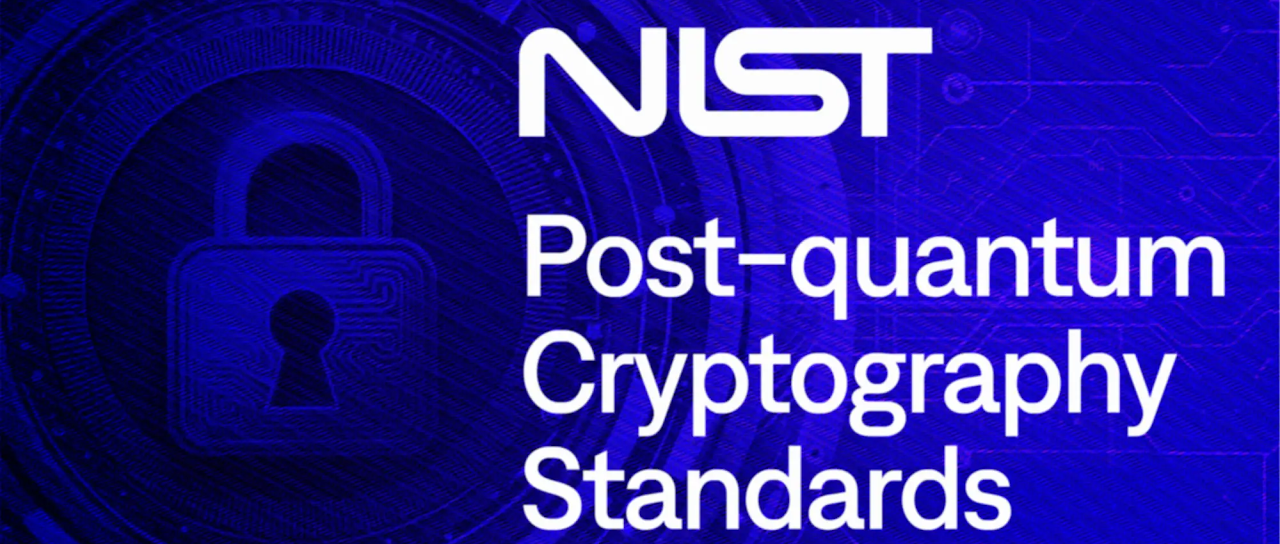

NIST Post-quantum Cryptography Standards Korean Post-Quantum Cryptography Research Group (KpqC)

Blockchain Technology

블록체인 기술

A blockchain is a decentralized ledger of all transaction across a P2P (Peer to Peer) network. The innovation of this technology is that participants transfer assets or data through the internet without the need for a trusted third party. This mechanism of blockchain can be applicable for financial services, voting, cloud service, healthcare, automotive energy management and many other fields. We study the security system and cryptographic techniques using the blockchain.

Blockchain Technology

Vehicular Ad-hoc Networks Security

차량 네트워크 보안

Vehicular Ad-Hoc Networks (VANETs) are distributed, self-organized networks built up by many high-speed vehicles. All vehicles in the network would install onboard units (OBU), which would integrate the vehicles' wireless communications, micro-sensors, embedded systems, and Global Positioning System (GPS). These smart vehicles could then communicate with each other as well as with roadside units (RSU), such as traffic lights or traffic signs, which would then improve the driving experience and make driving safer. Despite these advantages, VANETs come with their own set of challenges, particularly in the aspects of security and privacy. Lack of authenticated information shared in the network may lead to malicious attacks and service abuses, which could pose great threats to drivers. We study authentication and key distribution between vehicles and RSUs.
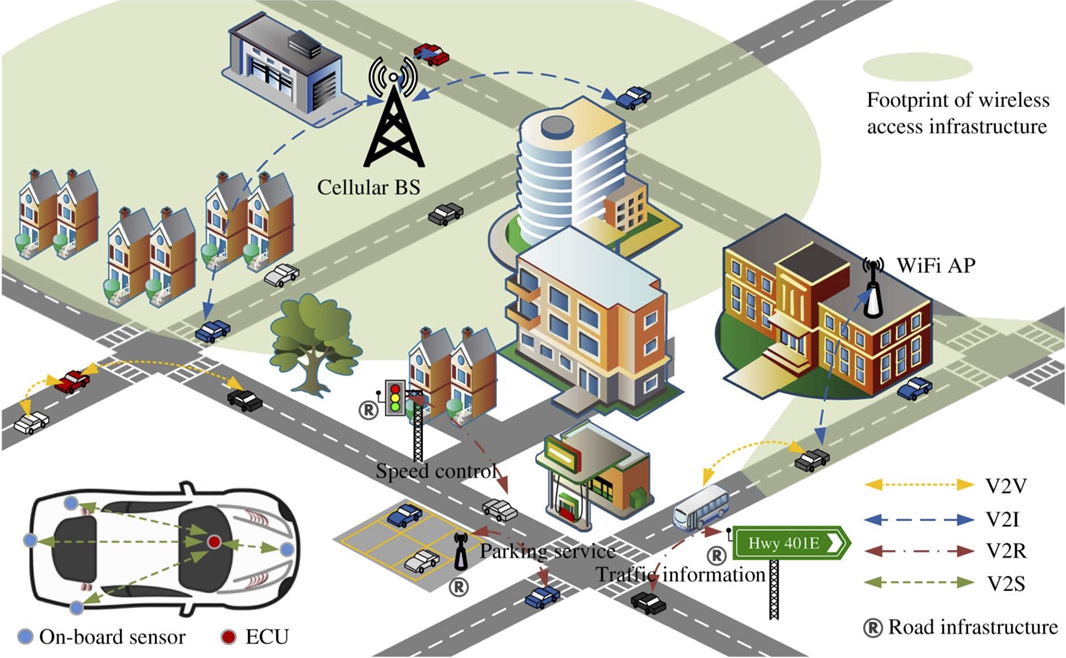
Vehicular Ad-hoc Networks Security

Unmanned Vehicle Security

무인이동체 보안

An unmanned vehicle is a mobile vehicle that operates autonomously, which does not have an operator on board. With its own computing system, unmanned vehicle interacts with external environments and performs its services, including delivery, relief, and exploration. However, an attacker can pose a threat to the network by collecting sensitive information through the data from these wireless channels. We study the data integrity, confidentiality, and mutual authentication suitable for unmanned vehicle environments.
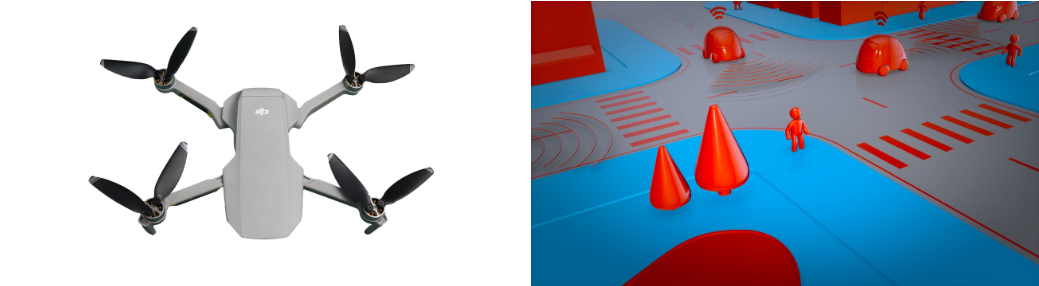
Unmanned Vehicle Security

Internet of Things Security

사물인터넷 보안

The concept of Internet of Things (IoT) is that every object in the Internet infrastructure is interconnected into a global dynamic expanding network. Sensors and smart objects are classical computing devices key parties of the IoT. The computing performance of those devices is comparatively low, hence, it is hard to apply traditional cryptographic technologies. We study user authentication and key management suitable for IoT environments.
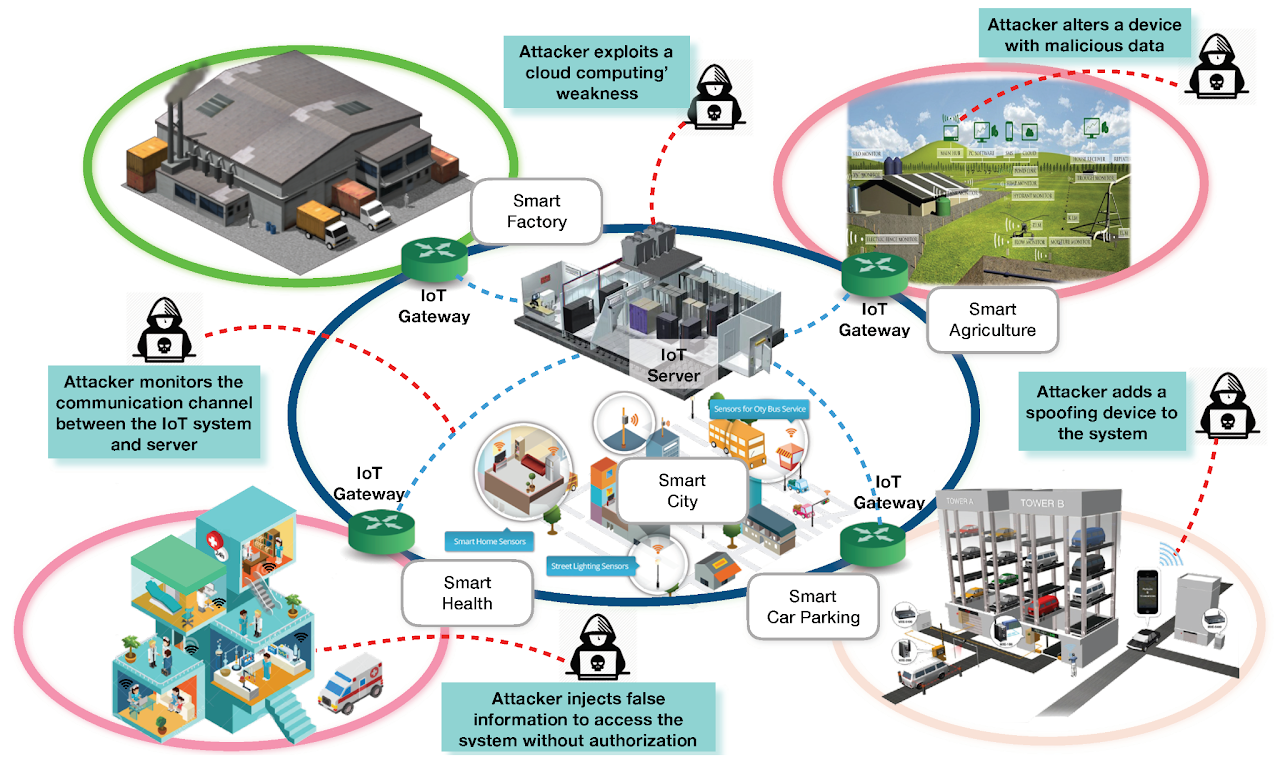
Internet of Things Security

FinTech Security

핀테크 보안

FinTech (Financial Technology) is defined as the technique to create efficient financial services using IT technologies. FinTech is an innovative technology through IT platform and big data, and is expected to improve the security and solve problems of the conventional banking system. Financial institutions have introduced technologies and invested to provide safe and effective services to users, such as Samsung Pay and Apple Pay. However, in the financial environment, information disclosure and security incidents have occurred, so they have lost the trust of their customers. Moreover, new variants of the security threats and attack techniques have occurred. We study user identification, non-repudiation, integrity, and confidentiality of data for secure user authentication.

FinTech Security

Publications

국제 저명 학술지(SCIE) 및 국내외 학술대회에 발표된 연구 성과입니다. (교신저자 *)

International Journals (SCIE) 35 papers

NEW!20262024 JCR 4.1% · Q1
Sungjin Yu and Youngho Park*
IEEE Internet of Things Journal, Accepted, Feb. 2026.
NEW!20252024 JCR 4.1% · Q1
SungJin Yu, KiSung Park*, and Youngho Park*
IEEE Internet of Things Journal, vol. 12, no. 12, pp. 20652-20669, June 2025.
20242024 JCR 6.0% · Q1
Chaeeon Kim, Deokkyu Kwon, Seunghwan Son, Sungjin Yu*, and Youngho Park*
Mathematics, vol. 12, no. 23, p. 3756, Nov. 2024.
20242024 JCR 2.4% · Q1
SungJin Yu, Ashok Kumar Das, and Youngho Park*
IEEE Transactions on Intelligent Transportation Systems, vol. 25, no. 12, pp. 21697-21708, Dec. 2024.
20242024 JCR 4.1% · Q1
SungJin Yu and KiSung Park*
IEEE Internet of Things Journal, vol. 11, no. 9, pp. 15450-15464, May 2024.
20232024 JCR 29.7% · Q2
SungJin Yu and Youngho Park*
Sensors, vol. 23, no. 12, p. 5747, June 2023.
20232024 JCR 17.5% · Q1
SungJin Yu, Joonyoung Lee, Anil Sutrala, Ashok Kumar Das, and Youngho Park*
Computer Networks, vol. 224, p. 109612, April 2023.
20222024 JCR 47.1% · Q2
Sangcheol Lee, Suhwan Kim, SungJin Yu, Namsu Jho, and Yohan Park*
Electronics, vol. 11, no. 23, p. 3868, Nov. 2022.
20222024 JCR 17.4% · Q1
SungJin Yu and KiSung Park*
Journal of Systems Architecture, vol. 131, pp. 102698, Oct. 2022.
20222024 JCR 47.1% · Q2
SungJin Yu and KiSung Park*
Electronics, vol. 11, no. 19, p. 3081, Sep. 2022.
20222024 JCR 29.7% · Q2
Joonyoung Lee, Jihyeon Oh, Deokkyu Kwon, Myeonghyun Kim, SungJin Yu, Namsu Jho, and Youngho Park*
Sensors, vol. 22, no. 18, p. 7075, Sep. 2022.
20222024 JCR 35.2% · Q2
Seunghwan Son, Deokkyu Kwon, Joonyoung Lee, Sungjin Yu, Namsu Jho, and Youngho Park*
IEEE Access, vol. 10, pp. 75365-75375, July 2022.
20222024 JCR 35.2% · Q2
Yeongjae Cho, Jihyeon Oh, Deokkyu Kwon, Seunghwan Son, Sungjin Yu, Yohan Park, and Youngho Park*
IEEE Access, vol. 10, pp. 74351-74365, July 2022.
20222024 JCR 11.0% · Q1
SungJin Yu, Ashok Kumar Das, Youngho Park*, and Pascal Lorenz
IEEE Transactions on Vehicular Technology, vol. 71, no. 10, pp. 10374-10388, Oct. 2022.
20222024 JCR 35.2% · Q2
SungJin Yu and KiSung Park*
IEEE Access, vol. 10, pp. 60534-60549, Jun. 2022.
20222024 JCR 4.1% · Q1
SungJin Yu and Youngho Park*
IEEE Internet of Things Journal, vol. 9, no. 20, pp. 20214-20228, May 2022.
20212024 JCR 35.2% · Q2
Sungjin Yu, Namsu Jho, and Youngho Park*
IEEE Access, vol. 9, pp. 126186-126197, Sep. 2021.
20212024 JCR 35.2% · Q2
Sungjin Yu, Ashok Kumar Das, and Youngho Park*
IEEE Access, vol. 9, pp. 49154-49159, March 2021.
20212024 JCR 29.7% · Q2
Jihyeon Oh, SungJin Yu, Joonyoung Lee, Seunghwan Son, Myeonghyun Kim, and Youngho Park*
Sensors, vol. 21, no. 4, p. 1488, Feb. 2021.
20212024 JCR 29.7% · Q2
Deokkyu Kwon, Sungjin Yu, Joonyoung Lee, Seunghwan Son, and Youngho Park*
Sensors, vol. 21, no. 3, p. 936, Jan. 2021.
20202024 JCR 35.2% · Q2
Sungjin Yu and Youngho Park*
IEEE Access, vol. 8, pp. 193375-193379, Oct. 2020.
20202024 JCR 35.2% · Q2
Seunghwan Son, Joonyoung Lee, Myeonghyun Kim, Sungjin Yu, Ashok Kumar Das, and Youngho Park*
IEEE Access, vol. 8, pp. 192177-192191, Oct. 2020.
20202024 JCR 27.7% · Q2
Joonyoung Lee, Sungjin Yu, Myeonghyun Kim, Youngho Park*, Sangwoo Lee, and Boheung Chung
Applied Sciences, vol. 10, no. 8, p. 6268, Sep. 2020.
20202024 JCR 35.2% · Q2
Sungjin Yu, Joonyoung Lee, Kisung Park, Ashok Kumar Das, and Youngho Park*
IEEE Access, vol. 8, pp. 167875-167886, Sep. 2020.
20202024 JCR 52.5% · Q3
SungJin Yu, KiSung Park, YoHan Park, HyungPyo Kim, and YoungHo Park*
Peer-to-peer Networking and Applications, vol. 13, no. 5, pp. 1340-1356, Feb. 2020.
20202024 JCR 29.7% · Q2
Sungjin Yu and Youngho Park*
Sensors, vol. 20, no. 15, p. 4143, July 2020.
20202024 JCR 35.2% · Q2
On the design of secure and efficient three-factor authentication protocol using honey list for wireless sensor networks
Joonyoung Lee, Sungjin Yu, Myeonghyun Kim, Youngho Park*, and Ashok Kumar Das
IEEE Access, vol. 8, pp. 107046-107062, June 2020.
20202024 JCR 29.7% · Q2
Myeonghyun Kim, Sungjin Yu*, Joonyoung Lee, Yohan Park, and Youngho Park*
Sensors, vol. 20, no. 10, p. 2913, May 2020.
20202024 JCR 27.7% · Q2
Sungjin Yu, Joonyoung Lee, Yohan Park, Youngho Park*, Sangwoo Lee, and Boheung Chung
Applied Sciences, vol. 10, no. 10, p. 3565, May 2020.
20202024 JCR 27.7% · Q2
SungJin Yu, KiSung Park, JoonYoung Lee, YoungHo Park*, YoHan Park*, SangWoo Lee, and BoHeung Chung
Applied Sciences, vol. 10, no. 5, pp. 1758, Mar. 2020.
20192024 JCR 29.7% · Q2
Sungjin Yu, Kisung Park, and Youngho Park*
Sensors, vol. 19, no. 16, p. 3598, Aug. 2019.
20192024 JCR 29.7% · Q2
Myeonghyun Kim, Kisung Park*, Sungjin Yu, Joonyoung Lee, Youngho Park*, Sangwoo Lee, and Boheung Chung
Sensors, vol. 19, no. 13, p. 3028, July 2019.
20192024 JCR 35.2% · Q2
Kisung Park, Youngho Park*, Ashok Kumar Das, Sungjin Yu, Joonyoung Lee, Yohan Park
IEEE Access, vol. 7, pp. 76812-76832, Jun. 2019.
20192024 JCR 29.7% · Q2
JoonYoung Lee, SungJin Yu, KiSung Park, YoHan Park*, and YoungHo Park*
Sensors, vol. 19, no. 10, pp. 2358, May 2019.
20182024 JCR 29.7% · Q2
SungJin Yu, JoonYoung Lee, KyungKeun Lee, KiSung Park*, and YoungHo Park*
Sensors, vol. 18, no. 10, pp. 3191, Sept. 2018.

International Conferences 4 papers

2023
Sungjin Yu, Keonwoo Kim, Taesung Kim, Boheung Chung, and Yousung Kang
2023 14th International Conference on Information and Communication Technology Convergence (ICTC), Jeju, 11 Oct. - 13 Oct. 2023.
2020
Sungjin Yu, MyeongHyun Kim, JoonYoung Lee, and YoungHo Park*
2020 10th Annual Computing and Communication Workshop and Conference (CCWC), Las Vegas, USA, 06 Jan. - 08 Jan. 2020.
2019
MyeongHyun Kim, JoonYoung Lee, SungJin Yu, KiSung Park, YoHan Park, and YoungHo Park*
2019 28th International Conference on Computer Communication and Networks (ICCCN), Valencia, Spain, 29 Jul. - 01 Aug. 2019.
2019
JoonYoung Lee, MyeongHyun Kim, SungJin Yu, KiSung Park, and YoungHo Park*
2019 28th International Conference on Computer Communication and Networks (ICCCN), Valencia, Spain, 29 Jul. - 01 Aug. 2019.

Domestic Journals 2 papers

2019
Sungjin Yu, Kisung Park, and Youngho Park*
The Journal of Korean Institute of Communications and Information Sciences, vol. 43, no. 12, pp. 2215-2229, 2019.
2018
Sungjin Yu, Kisung Park, and Youngho Park*
The Journal of Korean Institute of Communications and Information Sciences, vol. 43, no. 6, pp. 968-978, 2018.

Domestic Conferences 5 papers

2024
Joonyoung Lee, Sungjin Yu, Taesung Kim, Boheung Chung, and Keonwoo Kim
2024년도 한국통신학회 하계종합학술발표회, 제주, 19-21 Jun. 2024.
2021
Deokkyu Kyu, Joonyoung Lee, Sungjin Yu, and Youngho Park
2021년도 한국통신학회 하계종합학술발표회, 제주, 16-18 Jun. 2021.
2021
Hwayeon Choi, Sungjin Yu, and Youngho Park
2021년도 한국통신학회 하계종합학술발표회, 제주, 16-18 Jun. 2021.
🏆 BEST PAPER AWARDS2018
Sungjin Yu, KiSung Park, YoHan Park, and YoungHo Park
2018년도 한국통신학회 하계종합학술발표회, 제주, 20-22 Jun. 2018.
2017
Sungjin Yu, KiSung Park, JongHyun Kim, and YoungHo Park
2017년도 한국통신학회 하계종합학술발표회, 제주, 21-23 Jun. 2017.

Lab News

연구실의 주요 소식과 성과를 전합니다.

2026

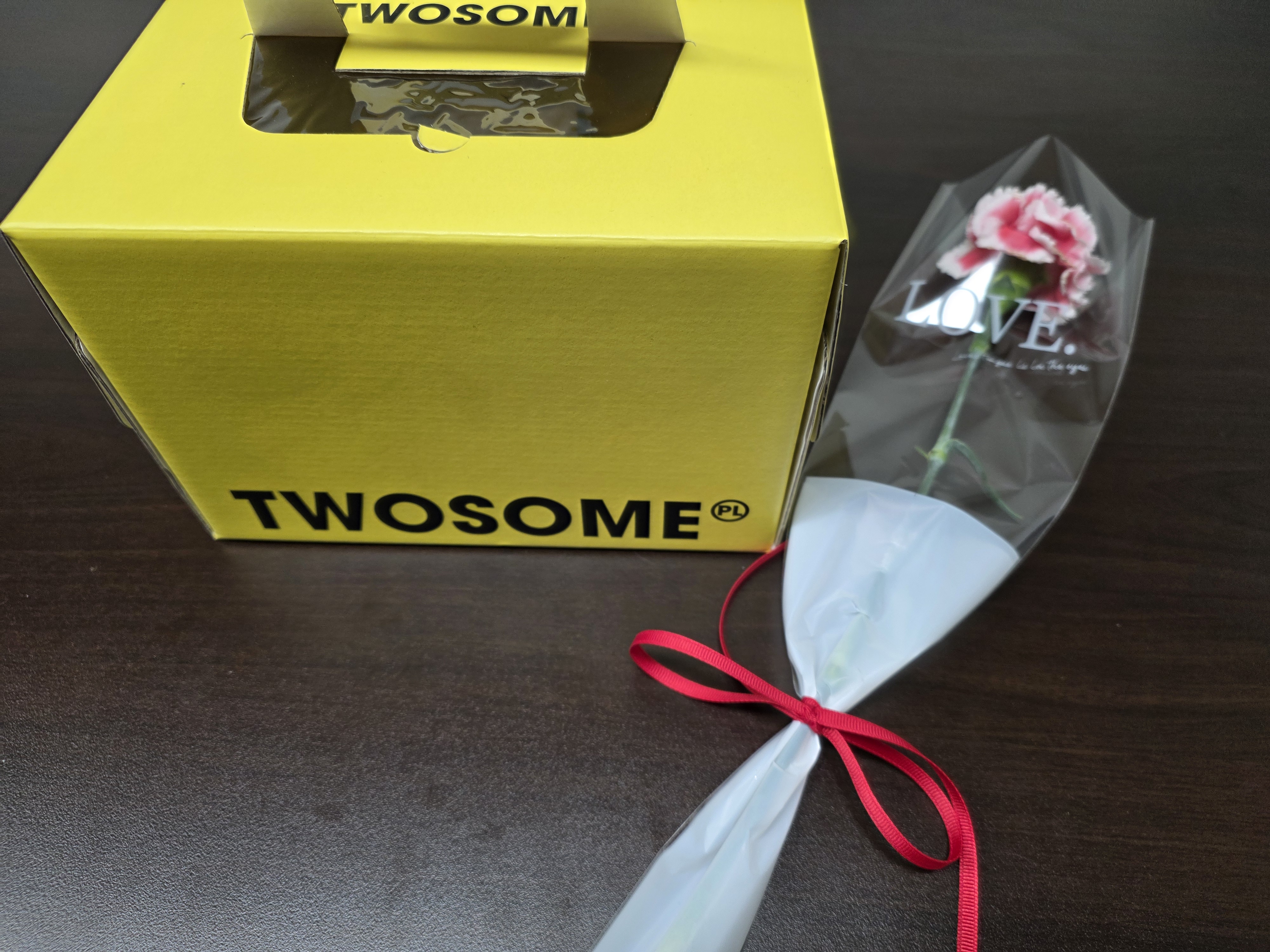
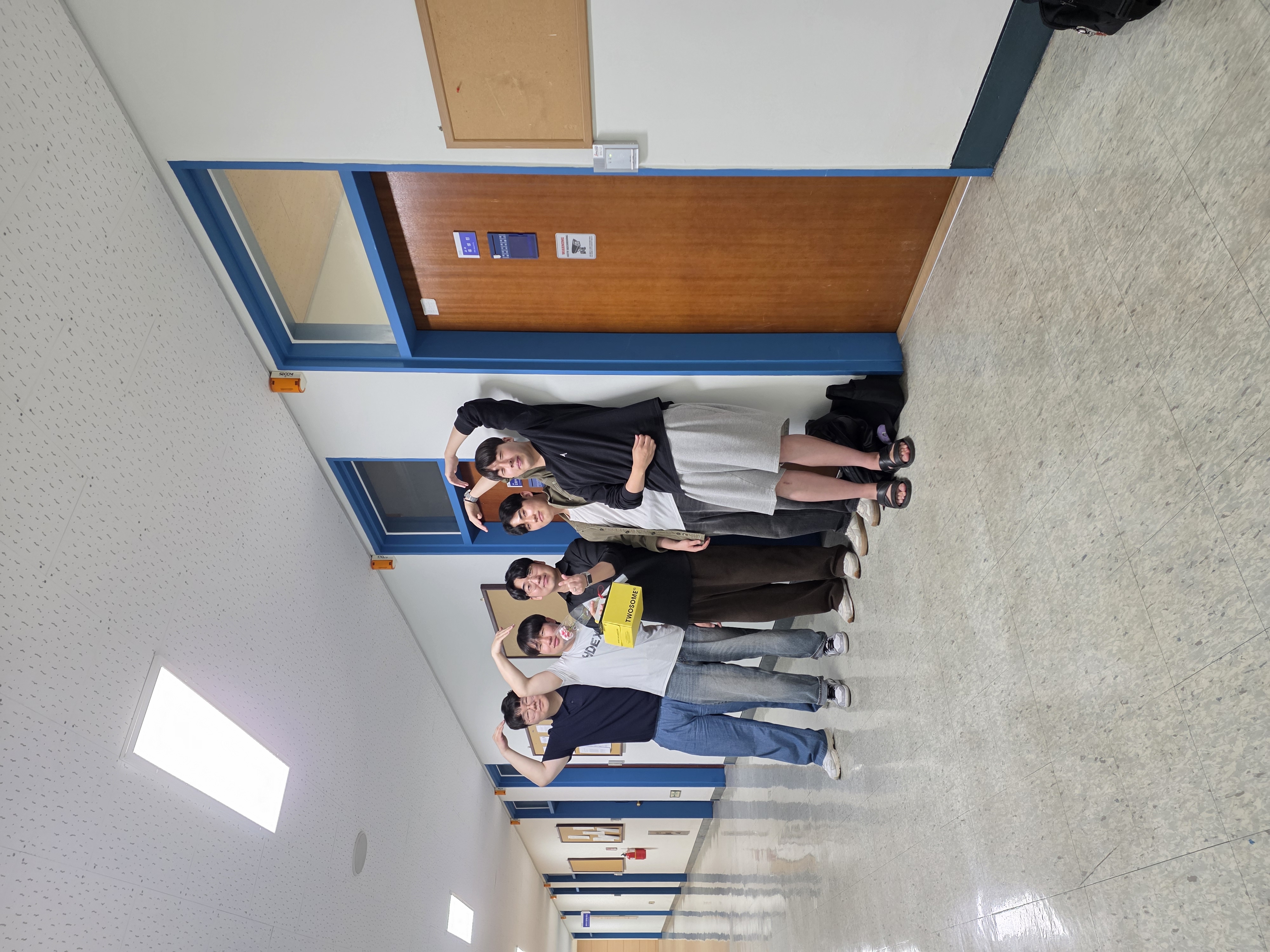
스승의 날 🌹

연구실 구성원들과 함께한 스승의 날 기념.

스승의 날 기념 사진 1 스승의 날 기념 사진 2

World Top 2% Scientist 2025 선정 🎉

스탠포드 대학 및 엘스비어에서 제공하는 세계 상위 2% 연구자에 선정되었습니다.
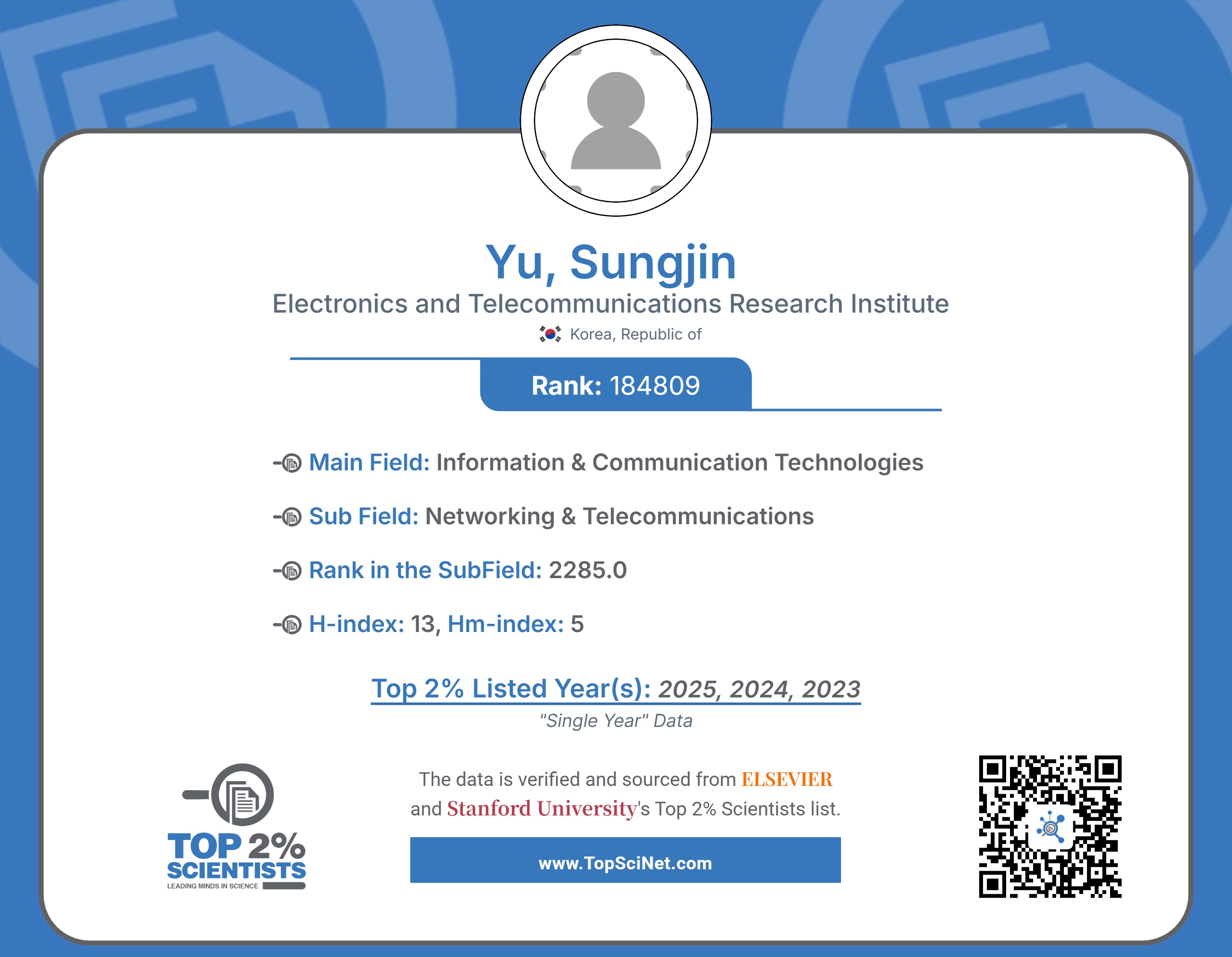
World Top 2% Scientist 2025 인증서

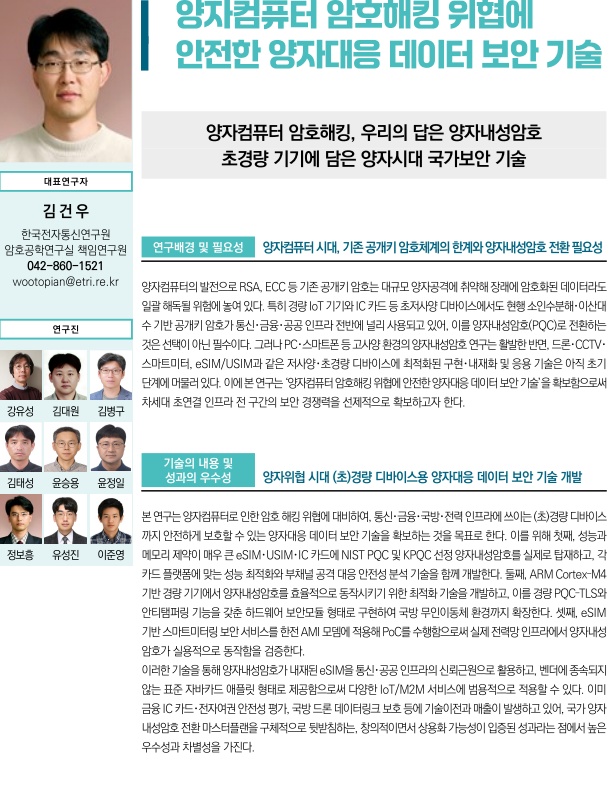
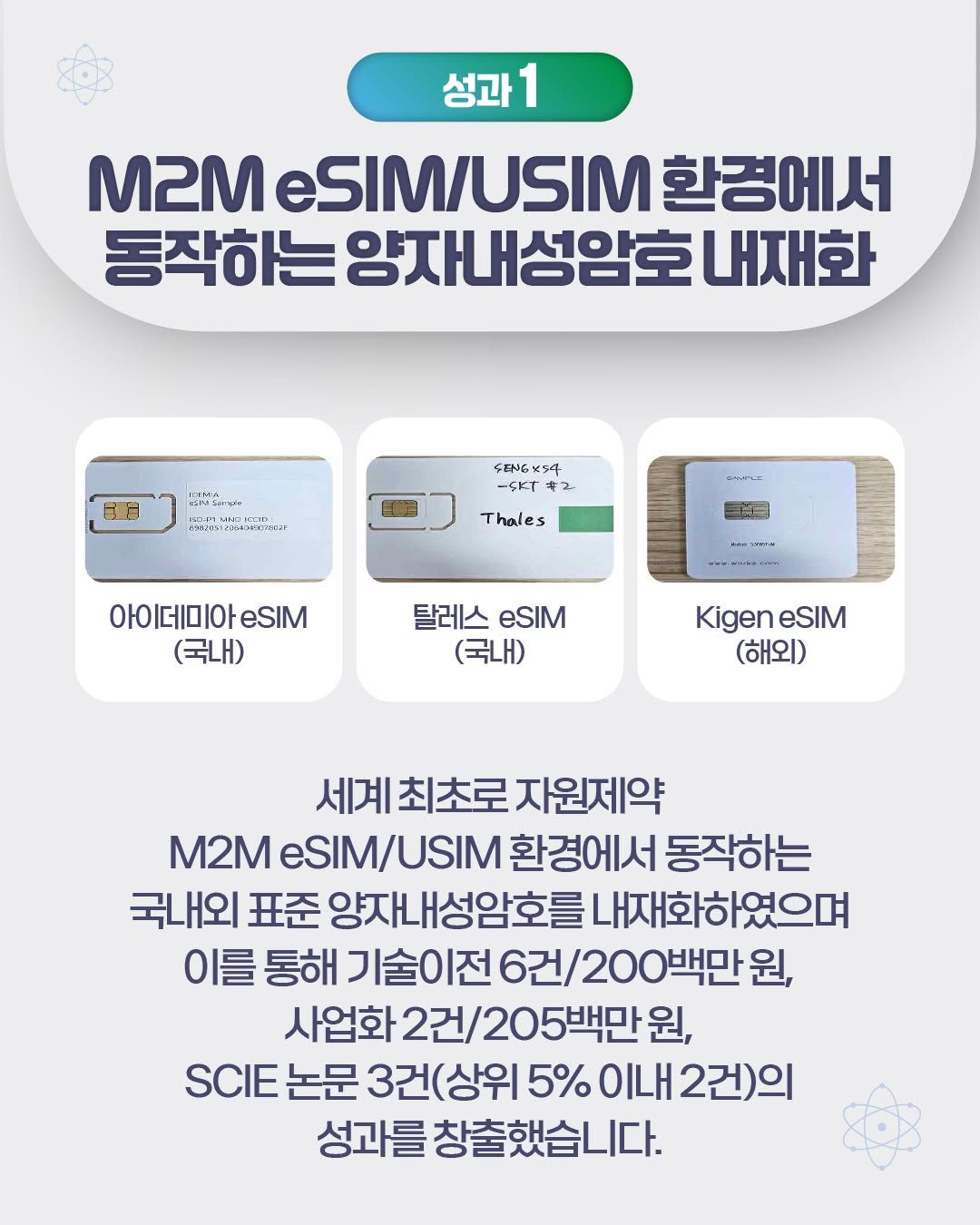
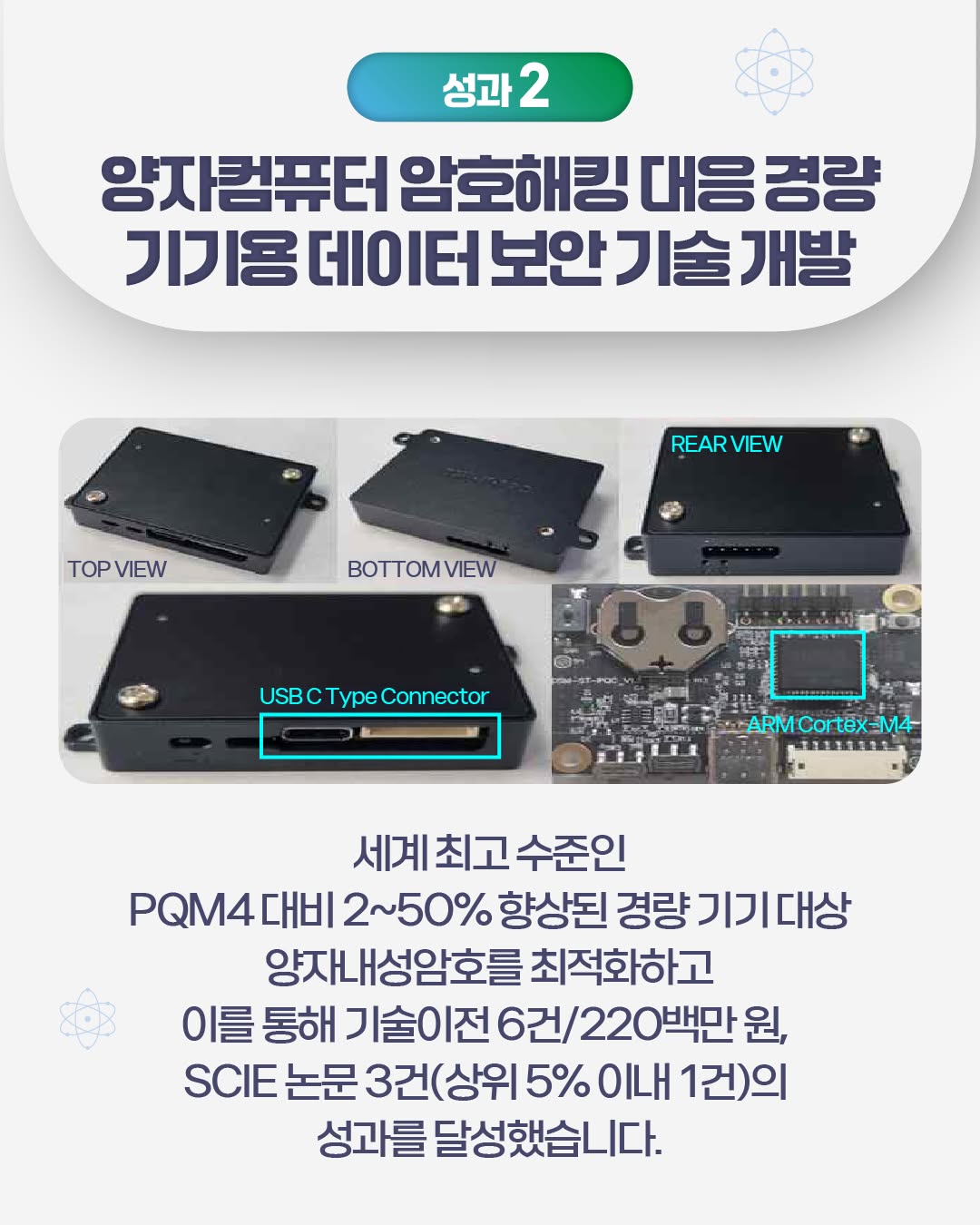
2025 국가연구개발 우수성과 100선 선정 🏅

2025년 국가연구개발 우수성과 100선에 선정되었습니다.
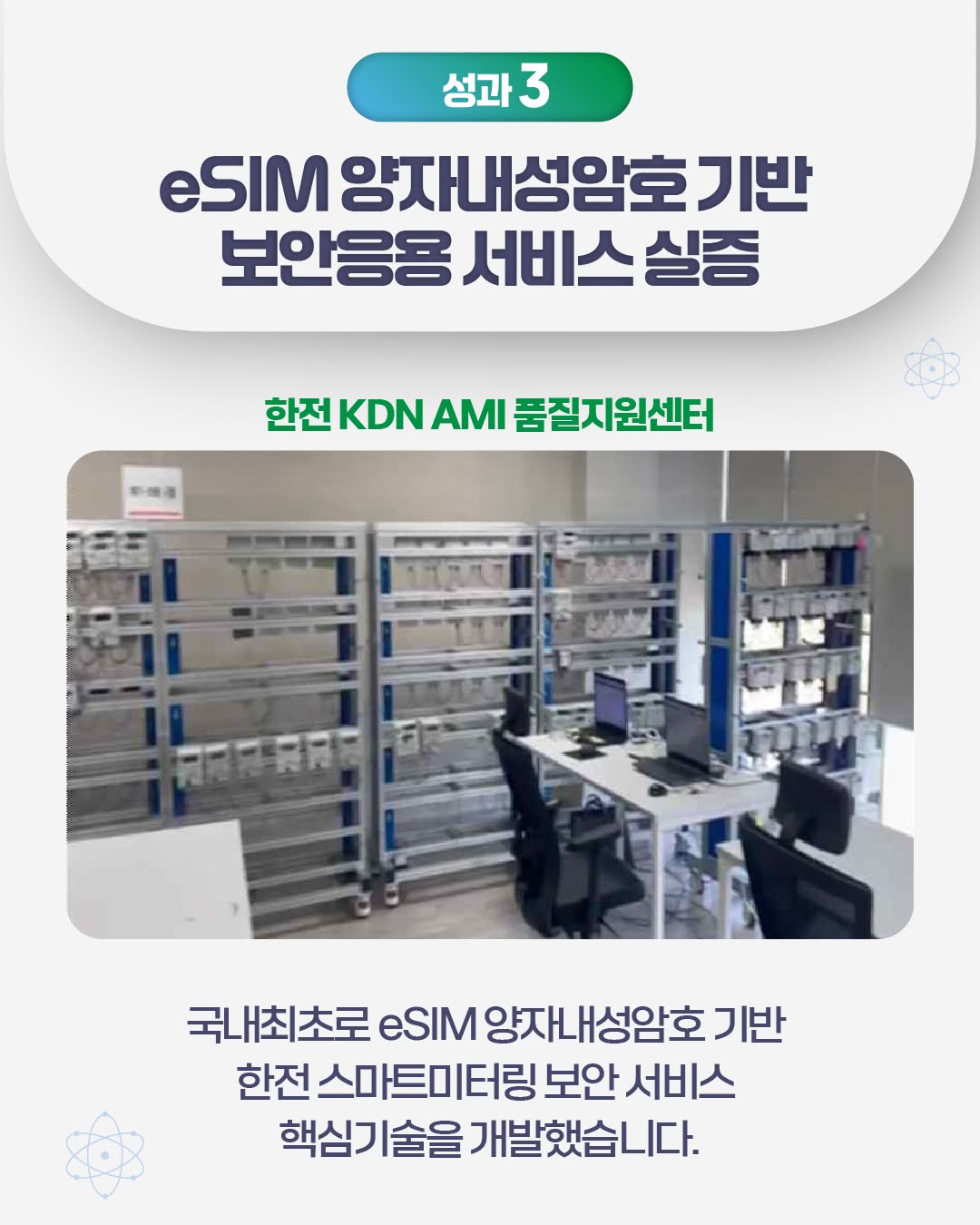
2025 국가연구개발 우수성과 100선 우수성과 1 우수성과 2 우수성과 3 우수성과 4

Contact Us

Contact Information

  • PROFESSOR OFFICE[N5]-315, Hanbat National University
  • STUDENT OFFICERoom 411, N5 Building, Hanbat National University
  • ADDRESS125, Dongseo-daero, Yuseong-gu, Daejeon 34158, Republic of Korea
  • PHONE(042) 821-1212
  • E-MAILsj.yu@hanbat.ac.kr

Join NCSL ✉️

If you are interested in our lab, please contact prof. Sungjin Yu with your information or CV (sj.yu@hanbat.ac.kr).

Send E-mail
125, Dongseo-daero, Yuseong-gu, Daejeon 34158, Republic of Korea